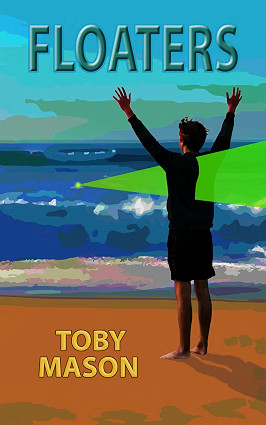
The 20th century made alien sightings famous, but now, in our hyperconnected world, any encounter is public the instant it happens. That’s why the Agency can’t keep the latest incident under wraps. It all starts on a lovely summer day at Bethany Beach, Delaware, after Cliff Johnson interacts with a floating disc in the ocean. Not a beach toy or a discarded piece of trash, this mysterious object seems interested in the humans around it. When Cliff gets close, the disc performs a scan, an experience the teen finds unlike anything else. As his friends and others get scanned, they discover that positive thoughts about the discs result in an enjoyable sense of peace, while negative thoughts bring a painful pinch. None of this explains what the aliens want, but the promise of a euphoric sensation spreads, the alien discs go viral, and crowds soon gather to feel the floaters’ calming touch. But not everyone is willing to embrace this slow-rolling invasion. The Agency has dealt with alien contact before, and wariness is its default policy. Some citizens see the floating discs as a threat to their freedom and wealth. And Cliff just wants to stay out of the public eye. The floaters’ leader begins speaking to Cliff and urging him to act, leaving the teen to decide whether the visitors are a gift or a trap.
Alien invasion takes on a decidedly utopian tone in Toby Mason’s polemical sci-fi novel, Floaters. The author’s warm, conversational voice drives home a major theme about the wealthy minority controlling the world’s money while everyone else pays the price. Scenes of the floaters scanning people, with the lifted worries and sudden calm that follow, make the aliens’ appeal easy to understand, and many readers will want their turn. It’s plausible how far people go for a moment of total peace, as they abandon their cars and walk off their jobs. As the popular, even venerated, alien objects rally more and more support, ordinary people become generous in touching ways. A farmer who opens his bathroom to stranded strangers and a department store owner who sells everything to give homeless veterans a place to sleep are just a couple of examples of this growing kindness. The aliens’ equitable solutions invite readers to imagine how our world could change if wealth were redistributed as they propose. However, the story is slowed by repetitive lectures on greed and muddied by dialogue that often runs without tags. Still, themes of fairness and social justice make this a feel-good read for anyone who believes people will rise to the occasion when given the chance. An optimistic novel that finds its villains among the rich and powerful, Floaters gives the aliens the surprising role of guides, but leaves the choice in the hands of the people.